Get Flat Roof Installation
Local contractors offer flat roof installation services to address leaks, drainage issues, and structural repairs on commercial or residential flat roofing projects.
If you’re considering flat roof installation, you’re in the right place to explore your options. Property owners in the area often look into this work to enhance the durability, functionality, and overall value of their buildings. Whether upgrading an existing roof or installing a new one, understanding the practical benefits and available solutions can help inform your planning process. This page is designed to connect you with trusted local contractors who can provide tailored guidance suited to your specific needs.
Taking the time to compare local service providers ensures you find the right fit for your project. Many property owners seek experienced professionals who can deliver quality work, reliable results, and expert advice. Keep reading to learn more about the benefits of flat roof installation and how to identify reputable contractors in your area, so you can make informed decisions for your property.
- Flat Roof Repair - needed when leaks, cracks, or damage compromise the integrity of a flat roof.
- New Flat Roof Installation - required for building new structures or replacing aging roofs.
- Flat Roof Coating - suitable for extending the lifespan and improving waterproofing of existing flat roofs.
- Flat Roof Inspection - essential for identifying potential issues before they develop into costly repairs.
- Flat Roof Maintenance - recommended for ongoing care to prevent leaks and structural problems over time.
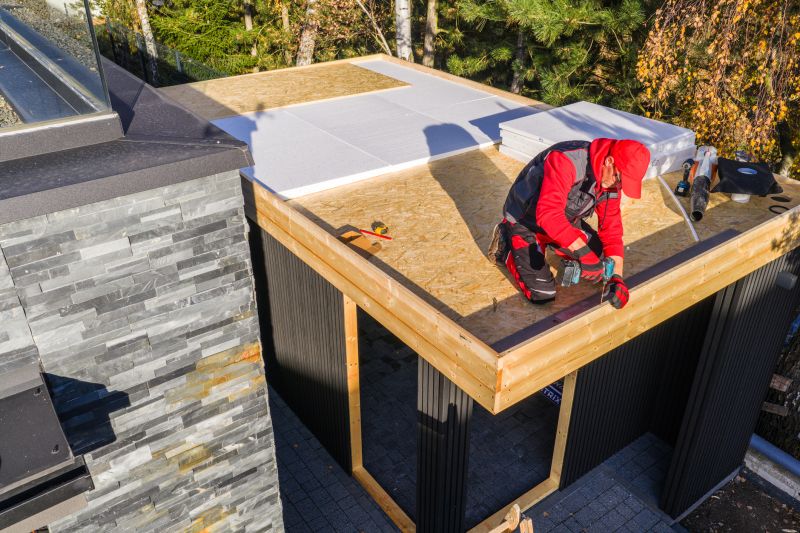
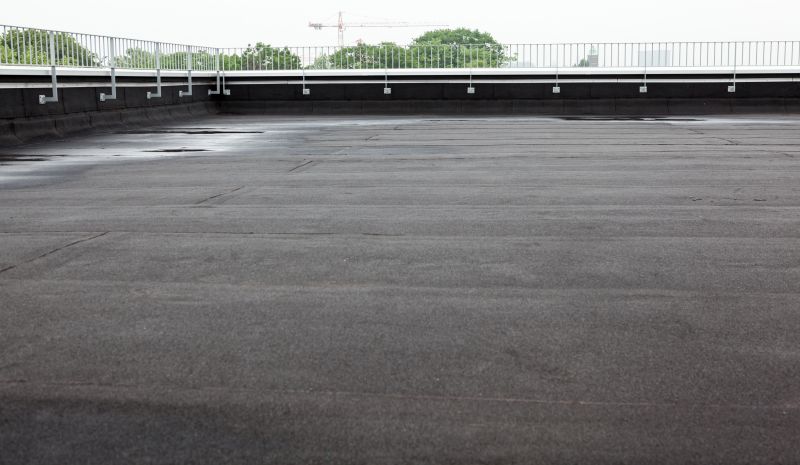
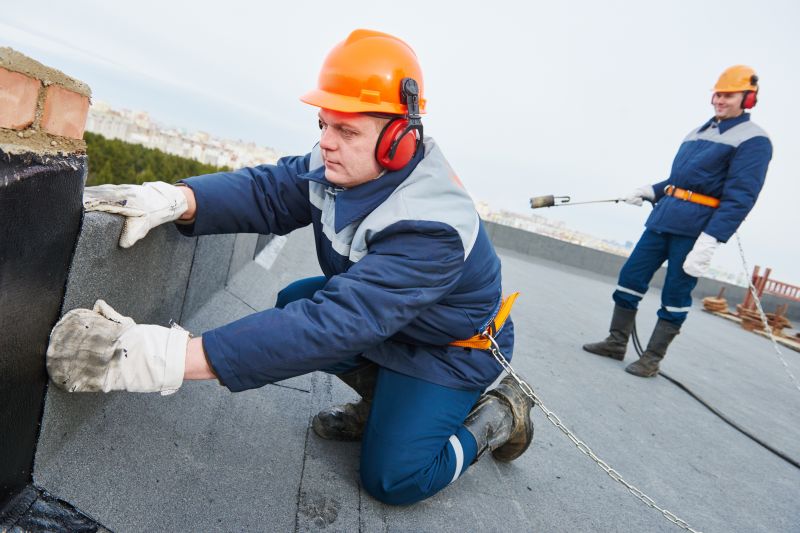
Flat roof installation services involve the construction of a level roofing surface that sits horizontally across a property’s top. This type of roofing is commonly used on commercial buildings, multi-family housing, and modern residential designs. The process typically includes preparing the roof deck, applying waterproofing layers, and installing the final roofing material. Skilled service providers ensure that the installation is precise, durable, and capable of withstanding the elements, providing a reliable roofing solution for properties that require a flat or low-slope roof.
One of the main advantages of flat roof installation is its ability to address specific problems associated with traditional sloped roofs. Flat roofs are easier to access for maintenance and repairs, making it simpler to inspect for leaks or damage. They also provide additional space for rooftop equipment, such as HVAC units or solar panels, without compromising the usability of the property. Local contractors can help resolve issues like ponding water, poor drainage, or frequent leaks by replacing or upgrading the existing roof with a properly installed flat roofing system.
Properties that typically use flat roof installation services include commercial buildings, warehouses, apartment complexes, and some modern residential homes. These structures often benefit from the cost-effective and functional nature of flat roofs, which can accommodate rooftop utilities and create usable outdoor spaces. Flat roofs are also suitable for properties in urban settings where space efficiency is a priority. Homeowners with flat or low-slope roofs who experience leaks, cracks, or surface deterioration may consider installation services to replace aging roofs or improve their property's weather resistance.
Choosing professional flat roof installation services can help property owners ensure their roofs are properly constructed and maintained. Experienced local service providers can assess the specific needs of a property, recommend suitable materials, and execute the installation with attention to detail. Whether addressing existing problems or planning a new roof, property owners can connect with local contractors who specialize in flat roofing to find solutions that enhance durability, functionality, and overall property value.
The overview below groups typical Flat Roof Installation projects into broad ranges so you can see how smaller, mid-sized, and larger jobs often compare in your area.
In many markets, a large share of routine jobs stays in the lower and middle ranges, while only a smaller percentage of projects moves into the highest bands when the work is more complex or site conditions are harder than average.
Smaller Repairs - minor patching or sealing on flat roofs typically cost between $250 and $600. Many routine repairs fall within this range, depending on the extent of damage and roof size. Fewer projects reach the higher end of this spectrum.
Partial Replacements - replacing sections of a flat roof generally ranges from $1,500 to $4,000. Local contractors often see many projects in this middle range, with larger or more complex jobs potentially exceeding $4,000.
Full Roof Replacement - complete flat roof replacements usually cost between $5,000 and $15,000. Larger, more intricate projects can go beyond $15,000, but most full replacements fall within this typical range.
Material and Design Considerations - choosing premium materials or custom designs can increase costs, with prices sometimes reaching $20,000 or more for high-end installations. These options are less common but available through local service providers for specialized projects.
Actual totals will depend on details like access to the work area, the scope of the project, and the materials selected, so use these as general starting points rather than exact figures.
Roof Deck Replacement - involves similar planning and skill in installing durable surfaces on flat or low-slope roofs, requiring precise waterproofing techniques.
Commercial Roofing Projects - includes a range of flat roofing systems for commercial buildings, utilizing comparable tools and installation methods.
Roof Insulation Installation - requires understanding of flat roof structures to improve thermal efficiency, often involving similar materials and planning.
Waterproofing Systems - involves applying protective coatings and membranes to flat surfaces, sharing techniques used in flat roof waterproofing.
Green Roof Installations - entails installing vegetative layers on flat roofs, requiring similar planning, waterproofing, and structural considerations.
Deck and Patio Flat Surface Installation - includes creating flat, stable surfaces on outdoor decks and patios, utilizing comparable skills in leveling and waterproofing.
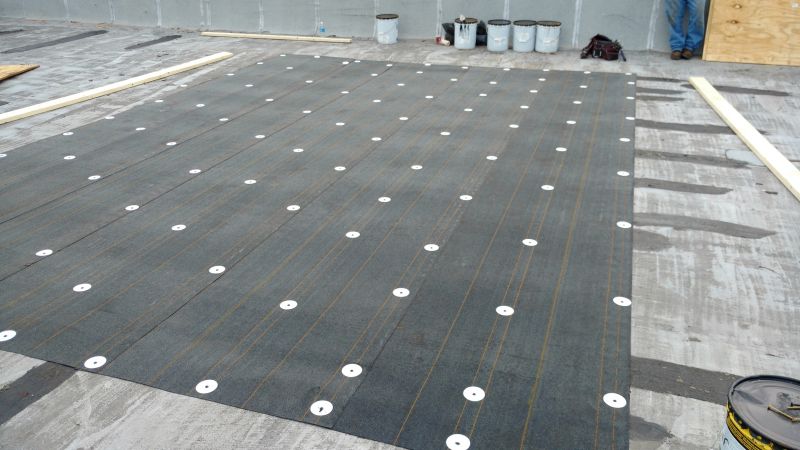
When comparing service providers for flat roof installation, it’s important to evaluate their experience with similar projects. Homeowners should look for local contractors who have a proven track record of handling flat roofing systems comparable to their own. This can include asking about the number of completed installations, familiarity with specific roofing materials, and any specialized techniques relevant to flat roofs. An experienced contractor is more likely to understand the unique challenges of flat roof projects and deliver results that meet expectations.
Clear, written expectations are essential for ensuring that both parties are aligned on the scope of work, materials, and quality standards. Homeowners should seek out providers who can provide detailed proposals or written estimates that outline the work to be performed, the materials to be used, and any warranties or guarantees offered. Having this information in writing helps prevent misunderstandings and provides a reference point throughout the project, fostering transparency and trust.
Reputable references and good communication are key indicators of a reliable service provider. Homeowners can ask for references from previous clients who had similar flat roof installations, to gain insight into the contractor’s workmanship, professionalism, and ability to meet deadlines. Additionally, service providers who communicate clearly and promptly-whether through phone, email, or in-person discussions-are more likely to be responsive and attentive to the homeowner’s needs. Connecting with local contractors who emphasize these qualities can help ensure a smoother project experience.
Property owners use Flat Roof Installation services for practical projects around their homes and businesses. This guide focuses on everyday jobs and straightforward project options.
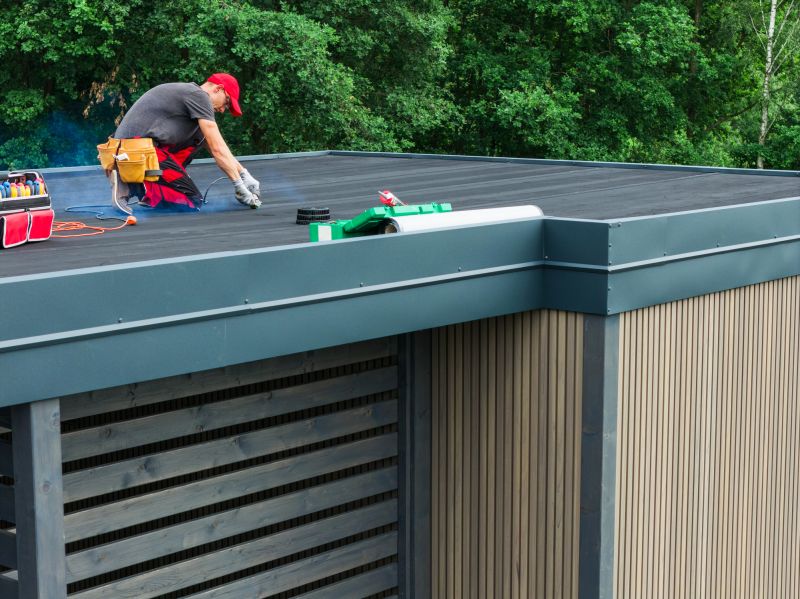
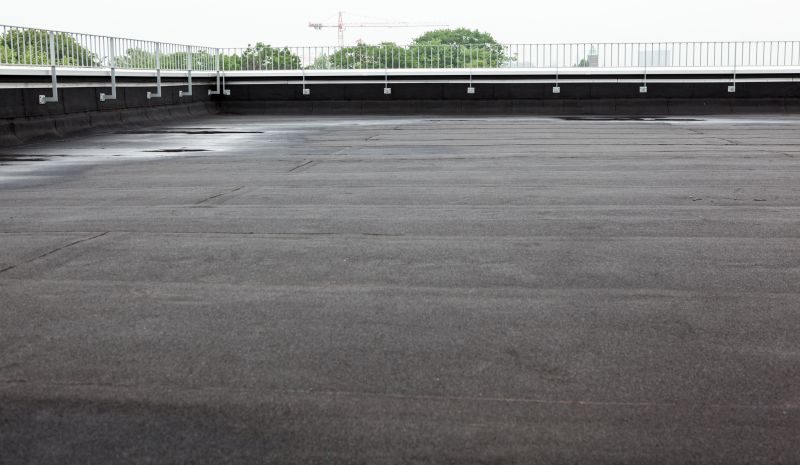
Flat roof installation services are often sought after by property owners dealing with aging or damaged roofing systems. Common situations include leaks, pooling water, or visible wear that can compromise the roof’s integrity. Local contractors can provide assessments and installation solutions to help protect buildings from weather elements and prevent further damage, making them a practical choice for those facing these issues.
Additionally, property owners may look for flat roof installation when constructing new buildings or undertaking renovations that require a modern, functional roof design. Whether upgrading an existing roof or installing a new one, local service providers can assist with the installation process, ensuring the roof meets the needs of the property and its occupants.
What are the benefits of installing a flat roof? Flat roofs can provide additional outdoor space, easier access for maintenance, and a modern appearance for buildings.
What materials are commonly used for flat roof installation? Common materials include built-up roofing (BUR), modified bitumen, EPDM rubber, and TPO membranes, chosen based on durability and suitability.
How do I know if my building needs a flat roof replacement? Signs such as persistent leaks, ponding water, or visible damage to the existing roof indicate that a replacement may be necessary.
What maintenance is required after a flat roof is installed? Regular inspections for damage or debris, cleaning gutters, and addressing minor repairs promptly can help prolong the roof’s lifespan.
How can I find local contractors for flat roof installation? Use a lead generation service to connect with experienced service providers in your area who specialize in flat roof installation.
Assessing Roof Damage - Property owners can have local contractors evaluate their flat roofs for leaks, cracks, or wear to determine if repairs or replacements are needed.
Upgrading Roofing Materials - Homeowners may consider installing new, durable roofing materials to improve energy efficiency or extend the lifespan of their flat roof.
Adding Roof Insulation - Property owners might explore options for enhancing insulation to better regulate indoor temperatures and reduce energy costs.
Creating Roof Access or Features - Individuals can plan for features like rooftop decks or access points by consulting local contractors about structural modifications.
If you are thinking about Flat Roof Installation for a property, this guide is meant to help you understand the work, the typical project types, and how different options might fit your plans.
When you are ready, you can use the quote form on this page to share a few details about your project. From there, local pros can review the basics and respond with options that match what you have in mind.